Where it went
Sold across three continents
I sold direct to customers online and travelled to Europe to promote the brand in person.
- United States
- United Kingdom
- Germany
- Spain
- Australia
- Denmark · promoted
Founder · Ethical fashion & campaign · 2014–2016
An ethical clothing brand and the #NoSlothsWereHarmed campaign, built from the supply chain up.
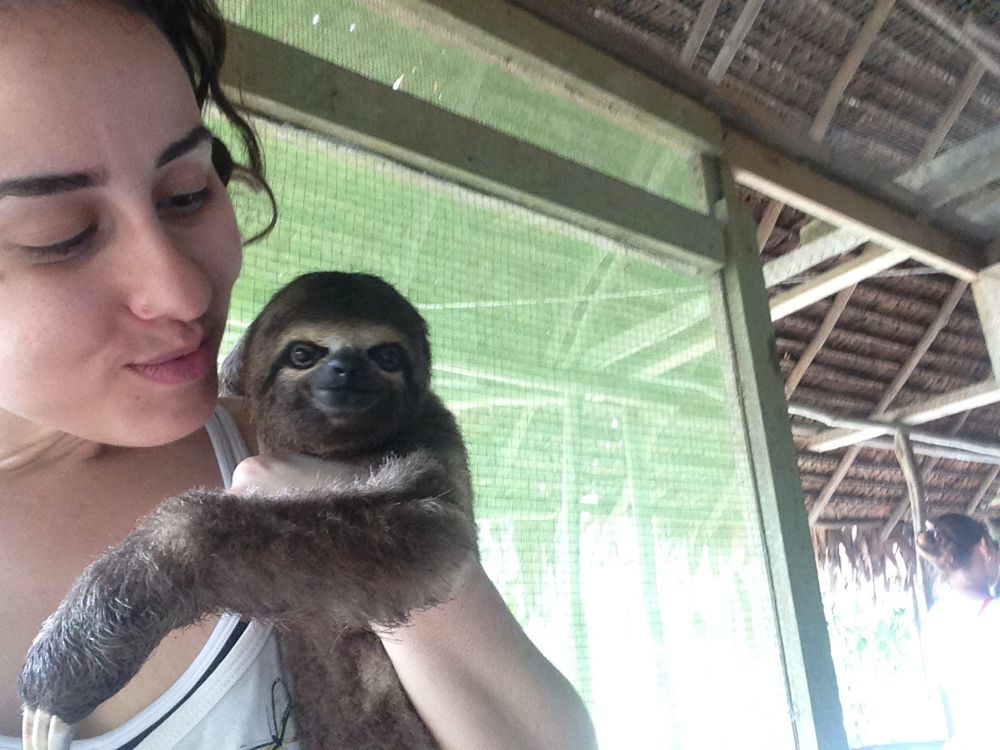
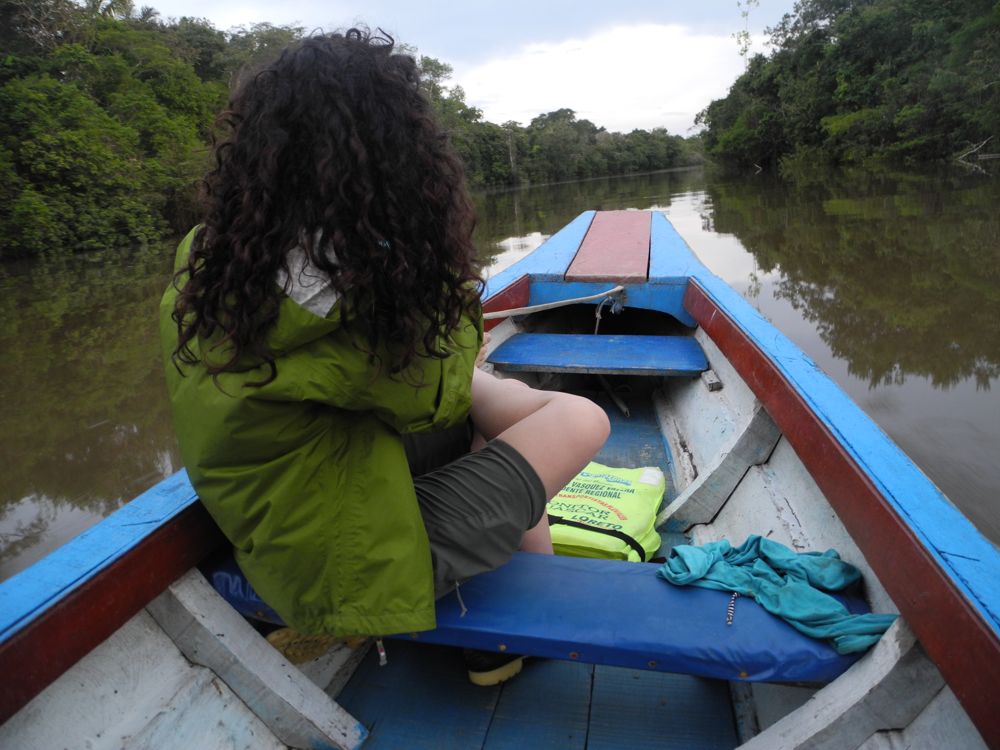
It started with Maria, a rescued sloth in the Amazon. Meeting her, I decided to make clothes that cause no harm to the places animals like her live.
Most fashion hides where it comes from. I wanted every piece to be traceable, from the people who made the fabric to the farm that grew the cotton, and to turn that transparency into the brand itself.
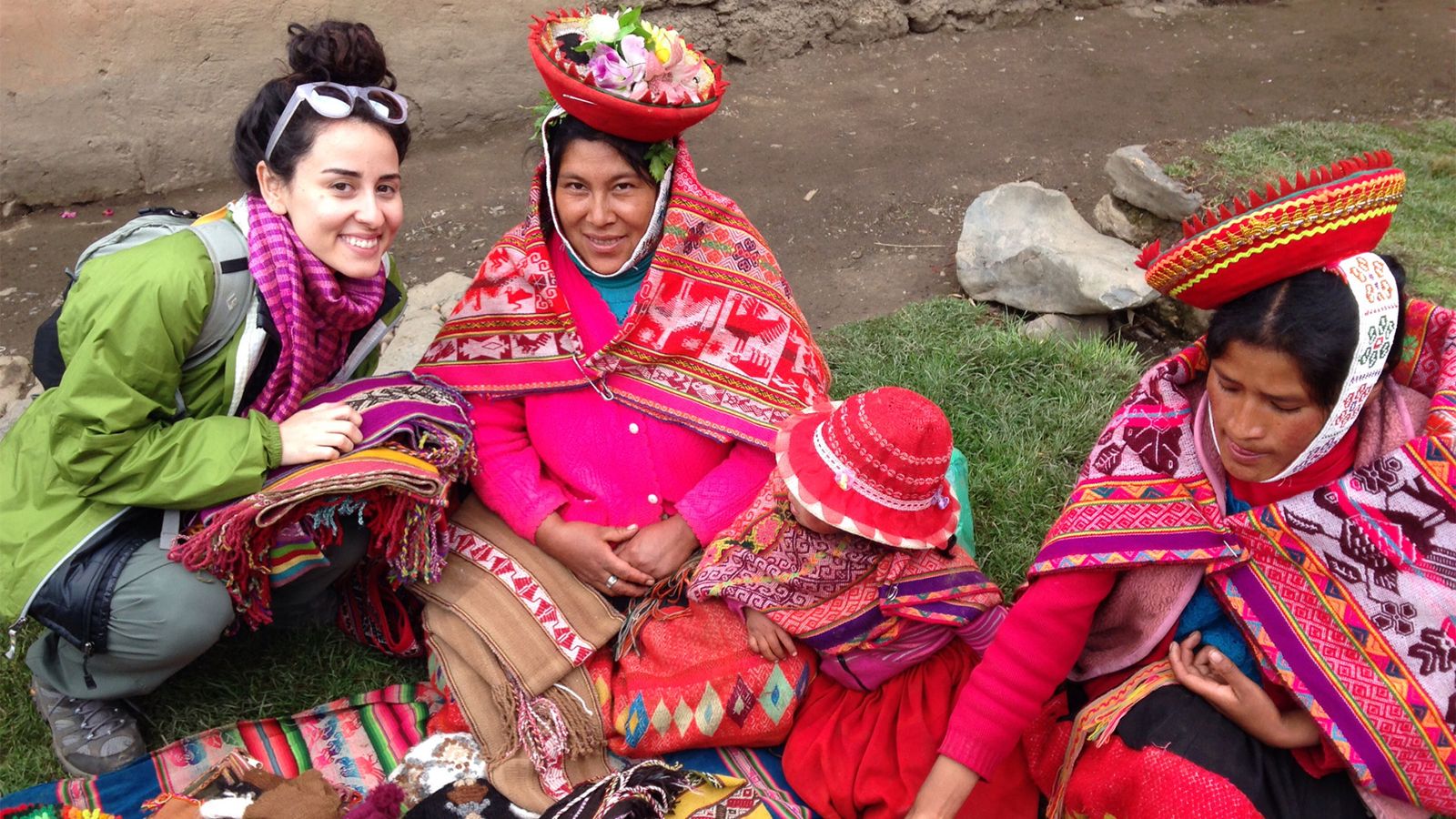
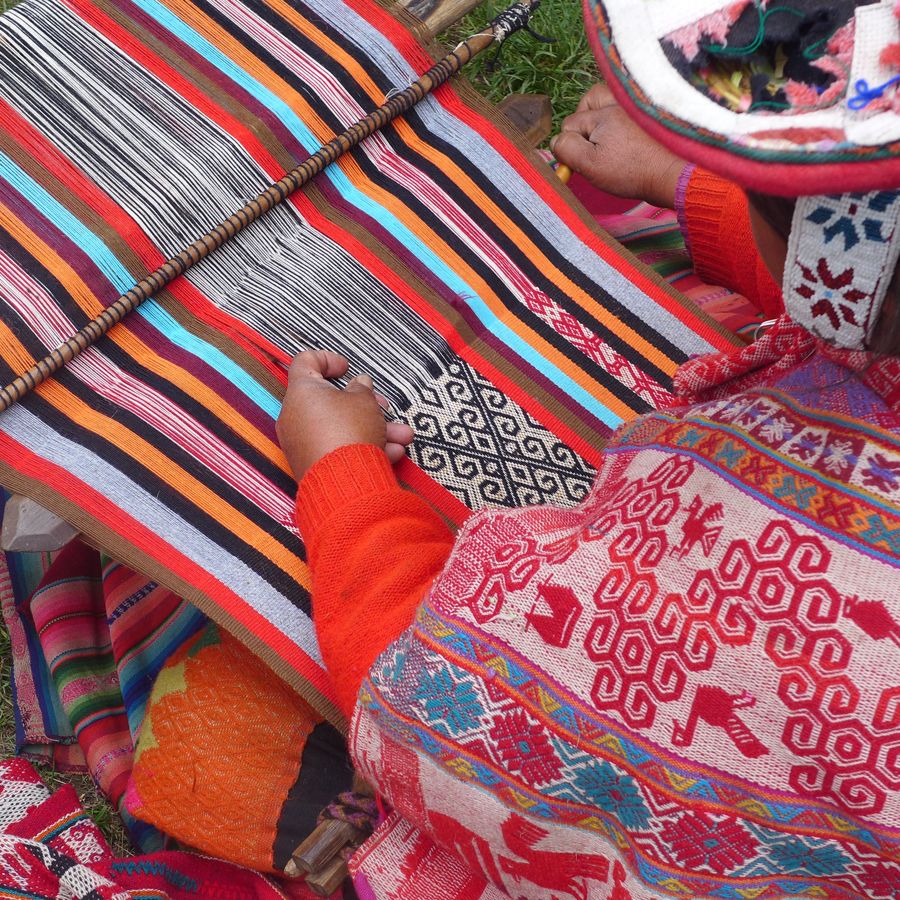 Handwoven textilesCommissioned custom fabrics from Quechua weavers in the Andes, sourced through Awamaki, a fair-trade nonprofit in Ollantaytambo, Peru.
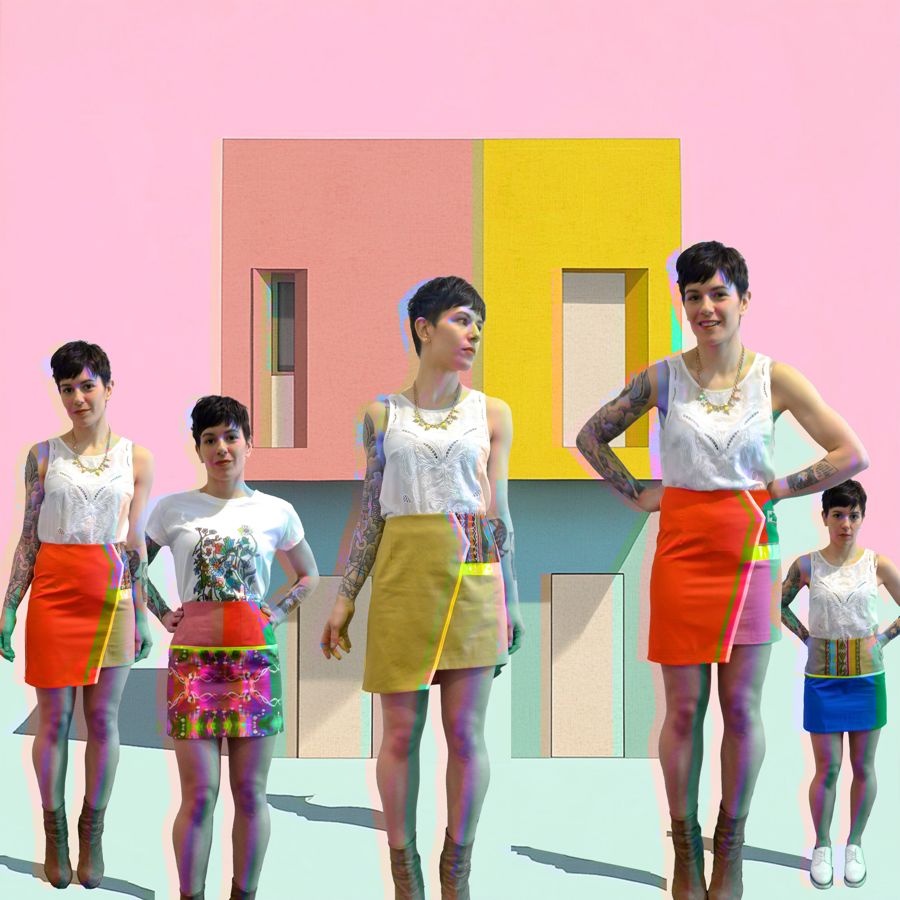 Andean skirt collectionDesigned a skirt collection around those traditional fabrics.
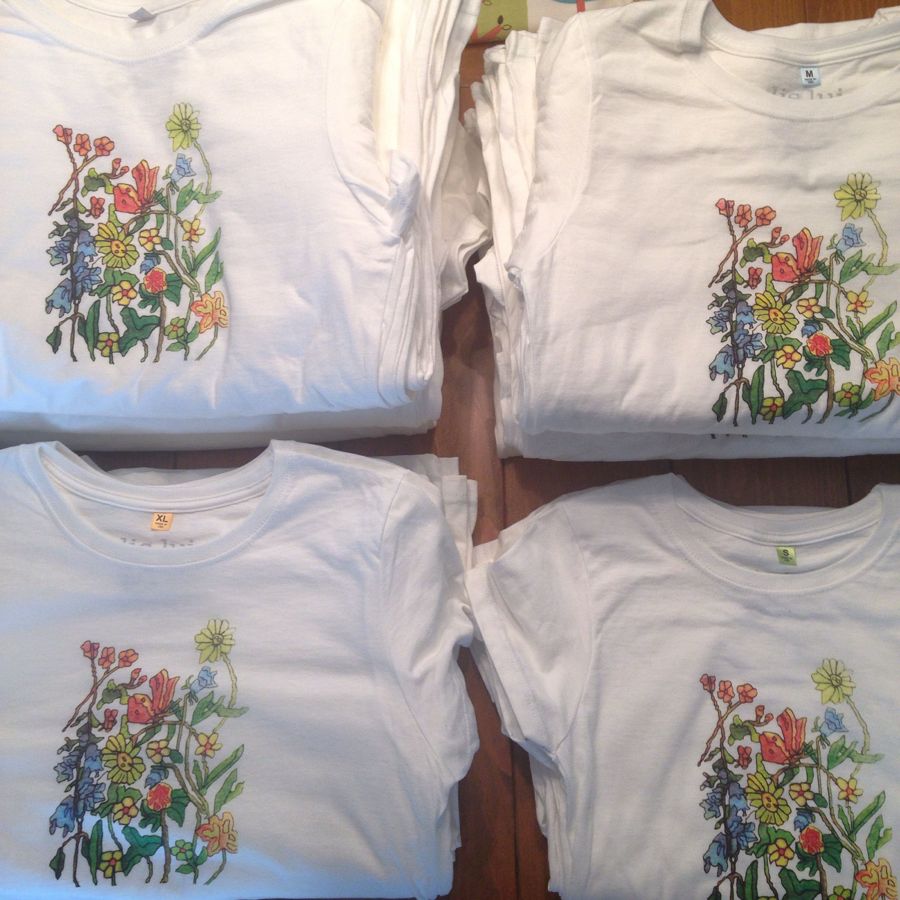 Traceable cottonLaunched a t-shirt line made from cotton traceable to the farm it was grown on.
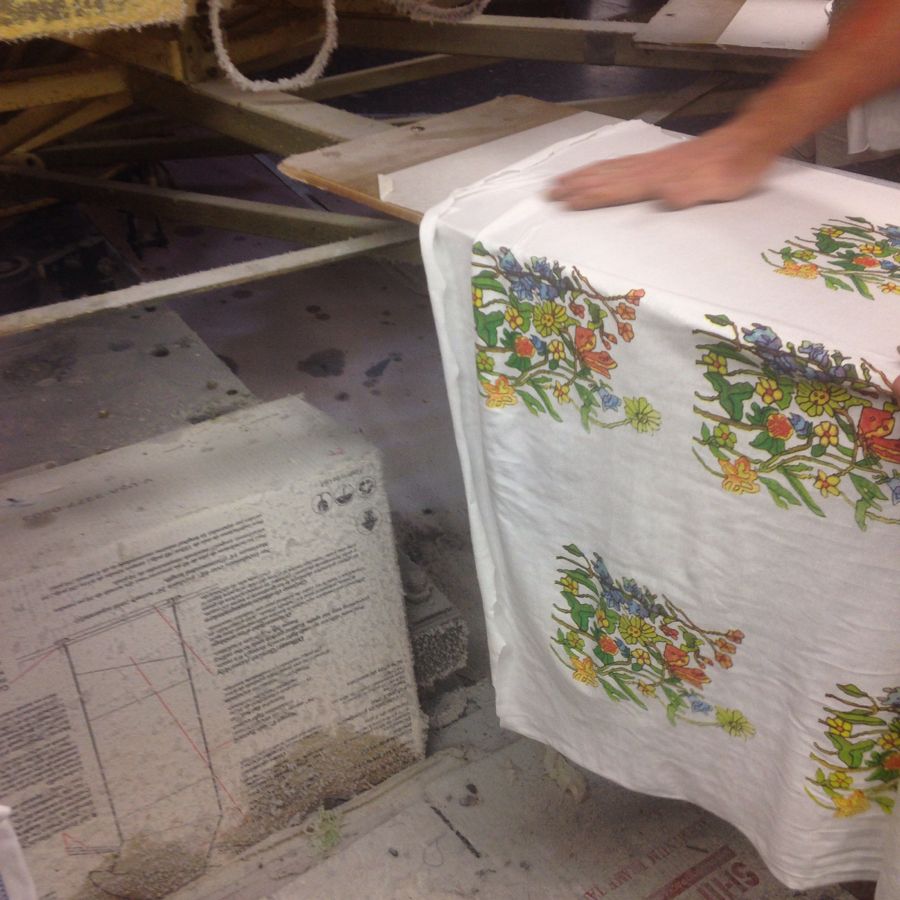 Cleaner productionPartnered with a North Carolina factory that uses water-based dyeing.
Awamaki partners with women-led Quechua artisan cooperatives around Ollantaytambo. About Awamaki.
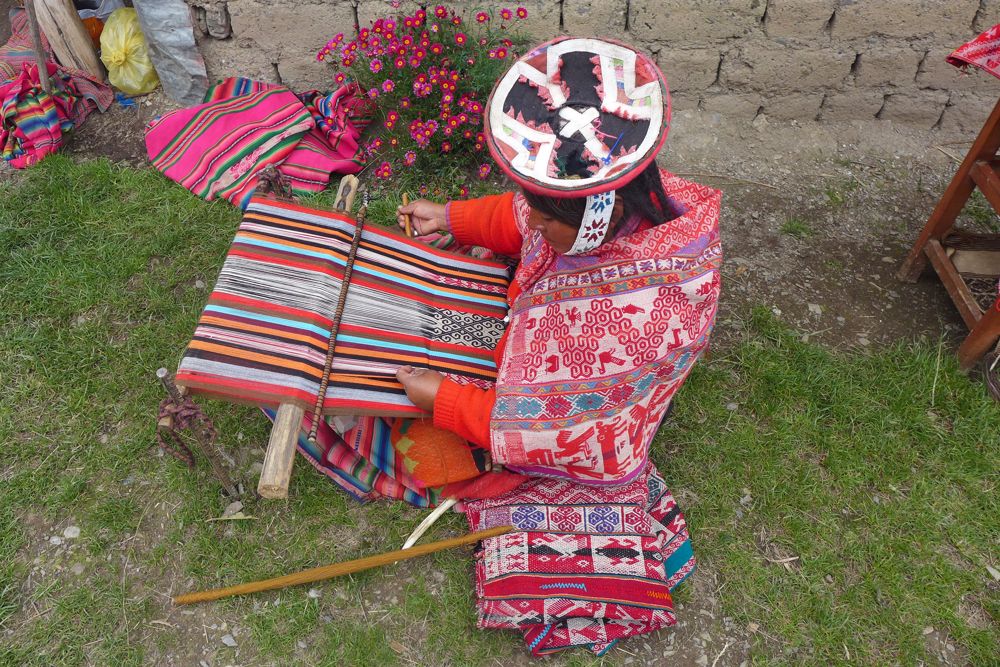
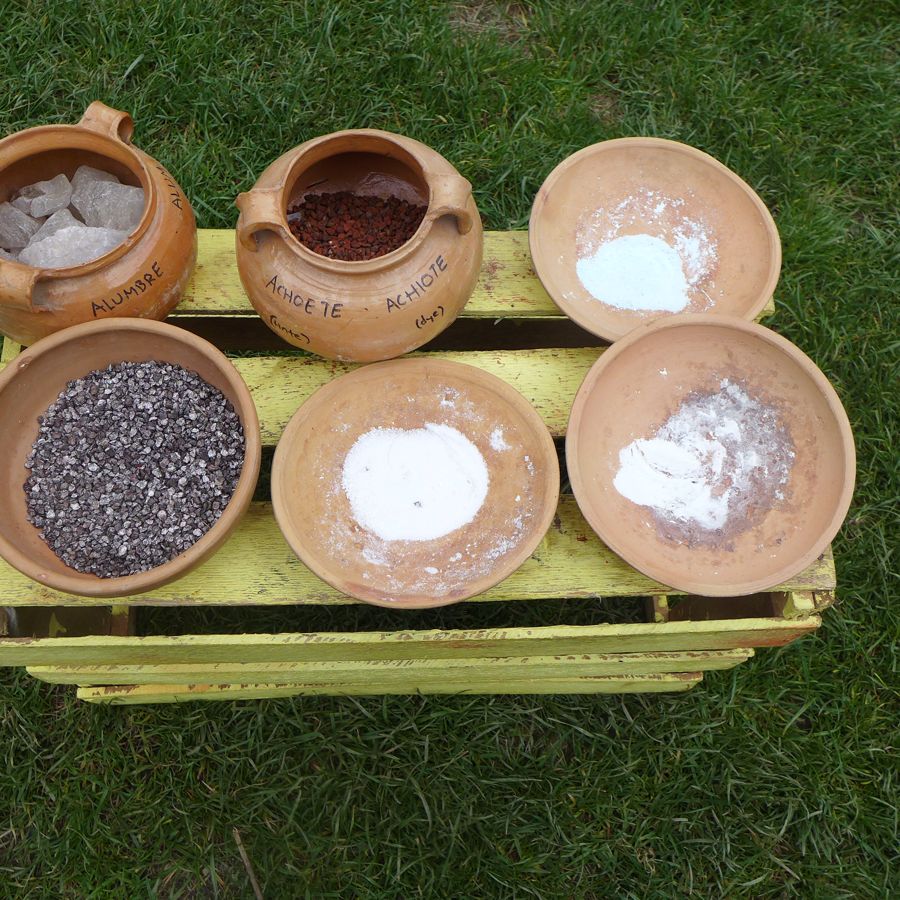
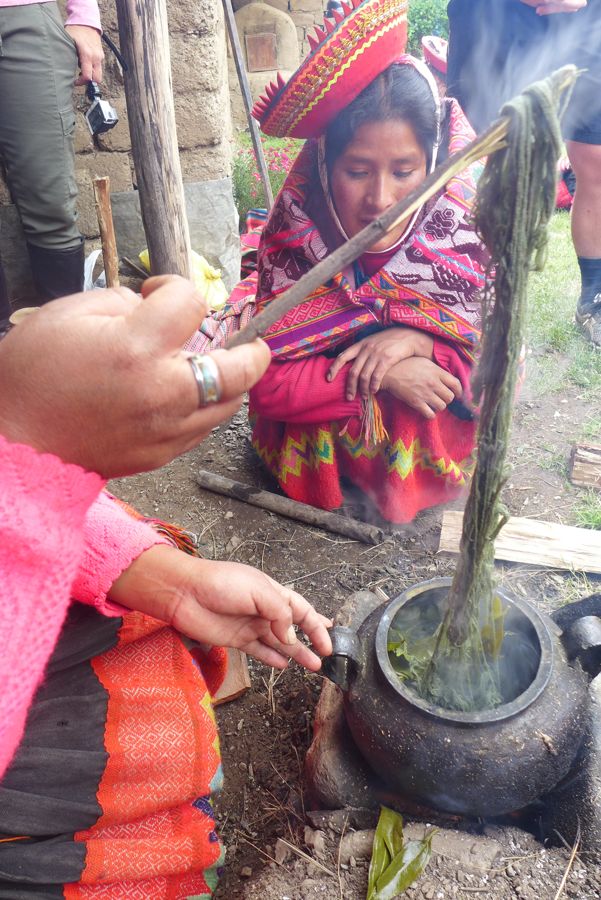
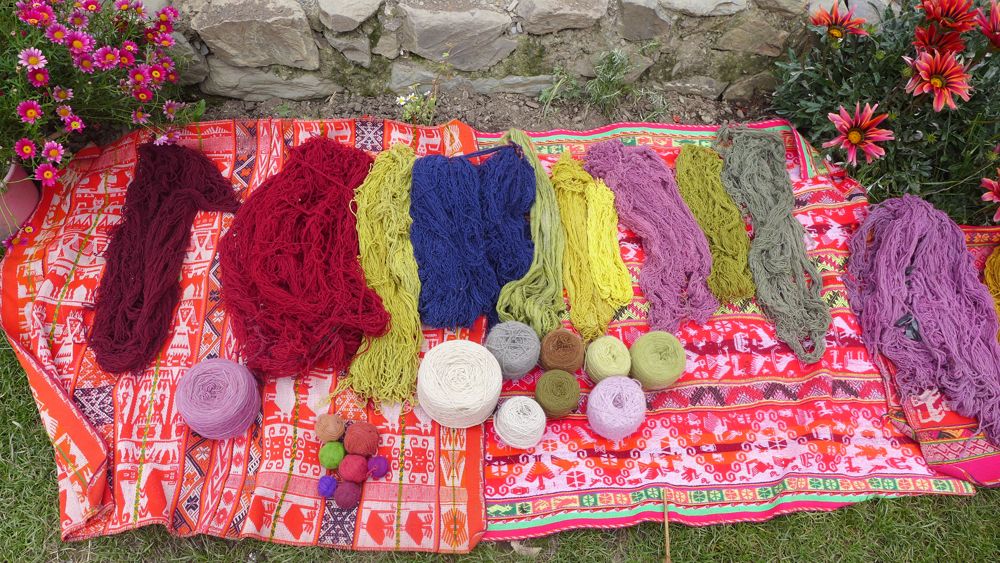
Natural dyeing and weaving with Quechua artisans in the Sacred Valley.
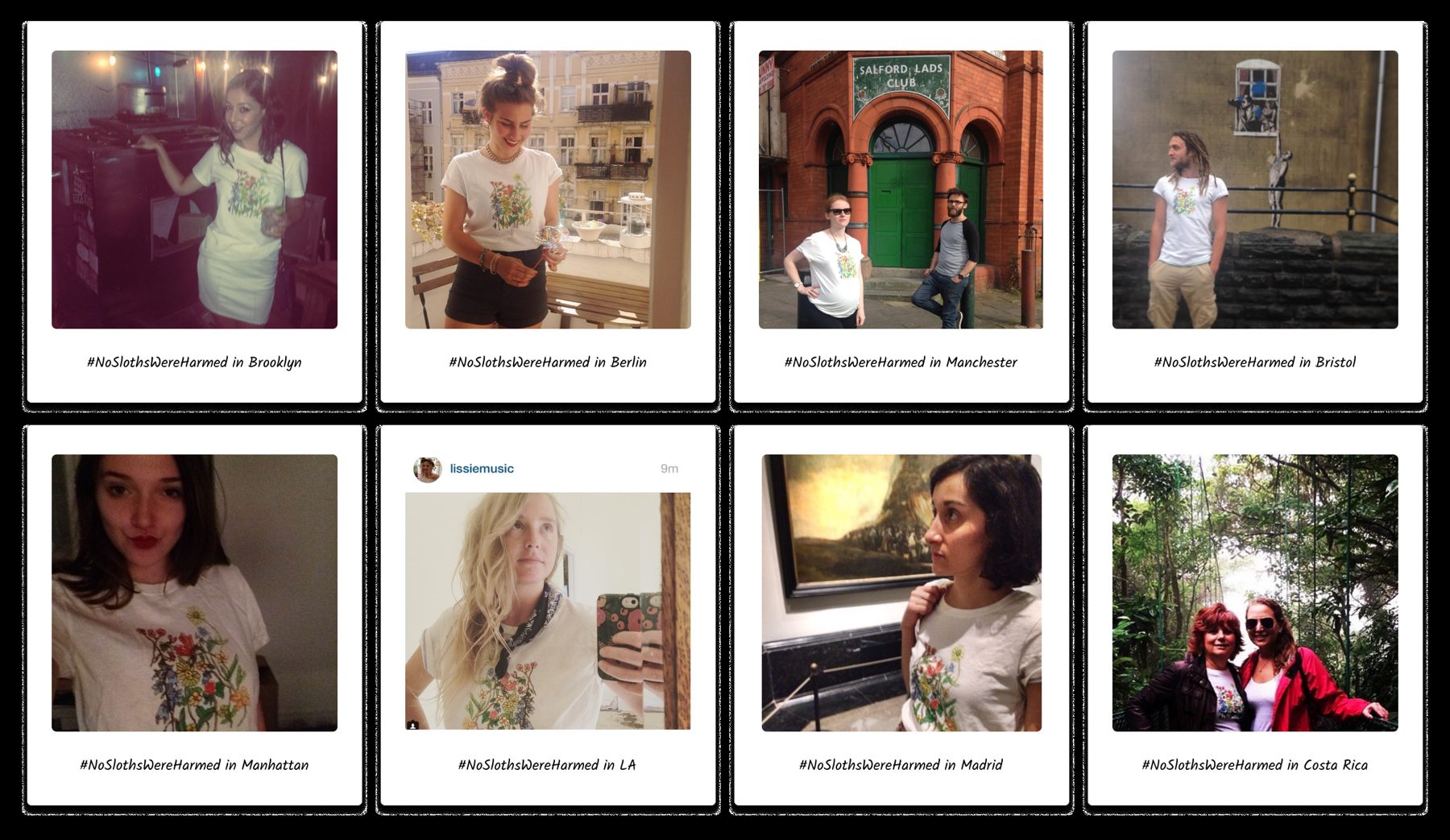
I named the brand after the classic film disclaimer, so the hashtag did the explaining. Supporters posted the wildflower tee from wherever they were, and singer-songwriter Lissie wore it on Instagram to promote ethical fashion to her followers.
Where it went
I sold direct to customers online and travelled to Europe to promote the brand in person.
Who spread it
Lissie, plus musicians, influencers and sustainability advocates in the US and Europe, wore the pieces and shared why it mattered.
A brand is a promise you can prove. Every claim on the label had a person or a place behind it, and that habit of making the story match the system has followed me into every product since.